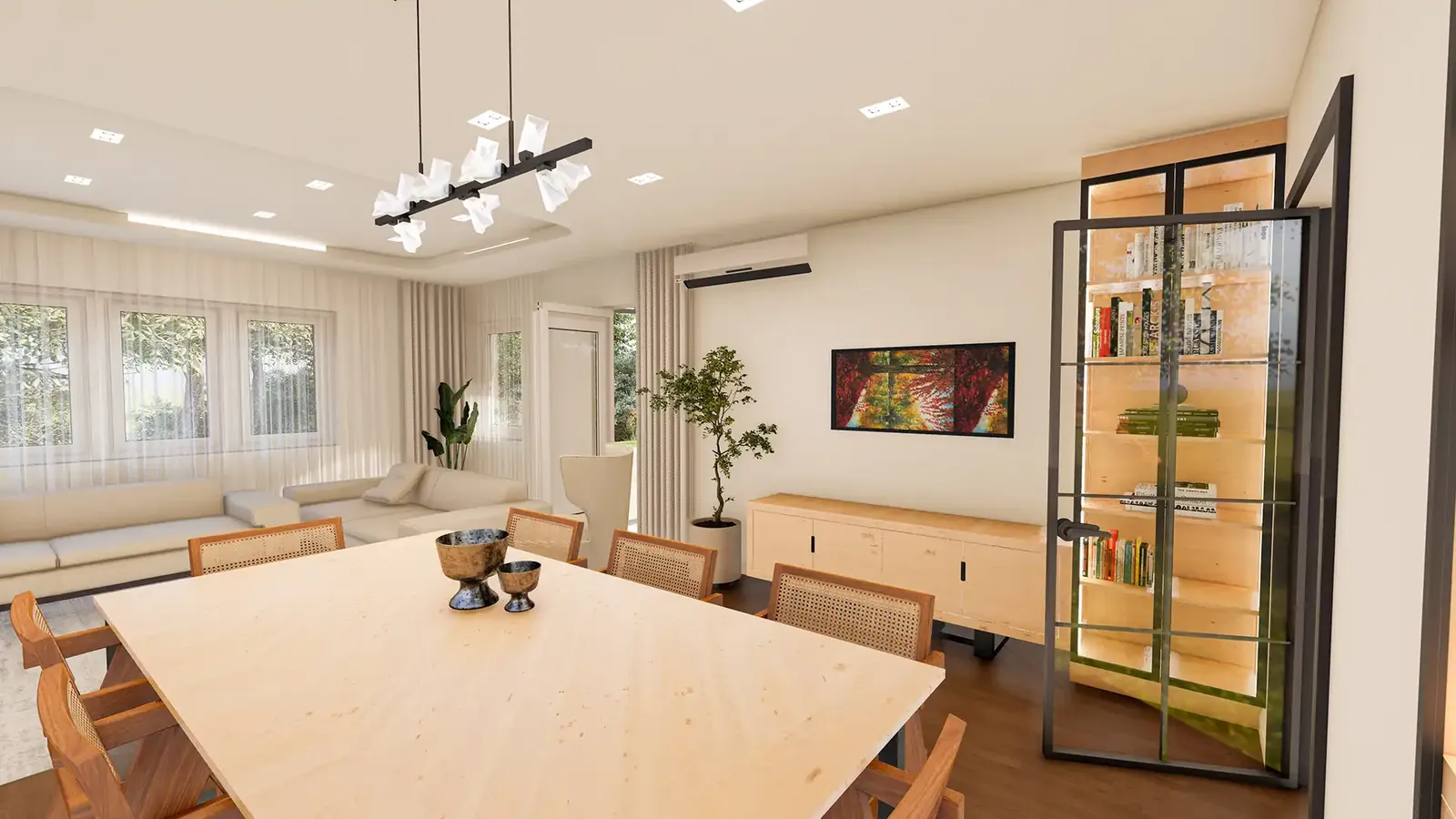


When renovating a home, the budget is the biggest source of worry. In a renovation started without a plan, small decisions can add up and push the total cost far above what was expected. The good news: by following a few simple steps, you can make your budget much more predictable.
1. Set limits and priorities
First, settle the upper limit you can spend. Then write down your needs for each room. Separating the “must-haves” from the “nice-to-haves” makes the hard decisions later much easier.
2. Make an itemised list
Break the spending down into items:
- Demolition, plumbing, electrics and infrastructure
- Floor and wall finishes
- Kitchen and bathroom
- Furniture
- Lighting
- Decoration and textiles
3. Research prices for each item
Material choices determine most of the total budget; don’t forget that. Compare products at different price levels that give the same look. But look not only at the initial price, also at lifespan and maintenance cost: as in the example of cheap granite, a cheap material is sometimes paid for twice.
4. Spread the work over time if necessary
If the budget isn’t enough, rather than cutting a little from every item, consider spreading some of the work over time. First complete the works that are hard and expensive to do later (plumbing, flooring, kitchen, bathroom); leave part of the furniture and decoration for a later stage.
5. Decide according to priorities
Throughout the process, compare every new idea against your priorities. When you proceed with a plan, controlling your budget becomes much easier. An approved project and a clear scope of work are the best antidote to extra costs that crop up later; we cover this in detail in our article on the importance of planning in a project.
Frequently asked questions
What is the biggest item in a renovation budget?
Usually the kitchen, bathroom and flooring. If the plumbing and wiring need renewing, that is also a significant item.
Does working with an architect increase the budget?
Although the design fee looks like an extra item, proper planning usually lowers the total cost by reducing wrong purchases, work that has to be torn out and redone, and surprise costs. See why we should work with an architect.
To get a project that suits your budget, get in touch with us via our decoration and renovation page.