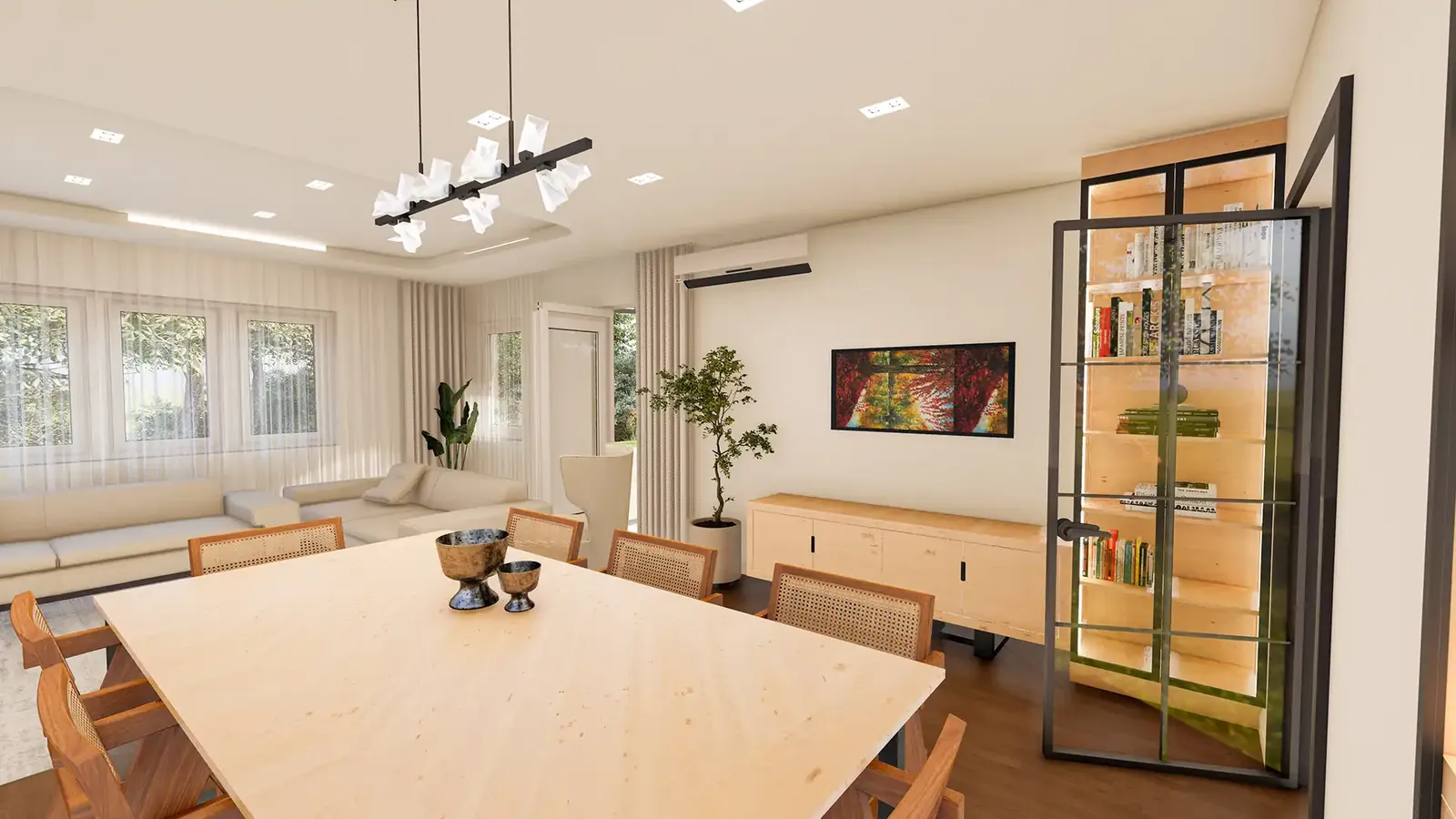

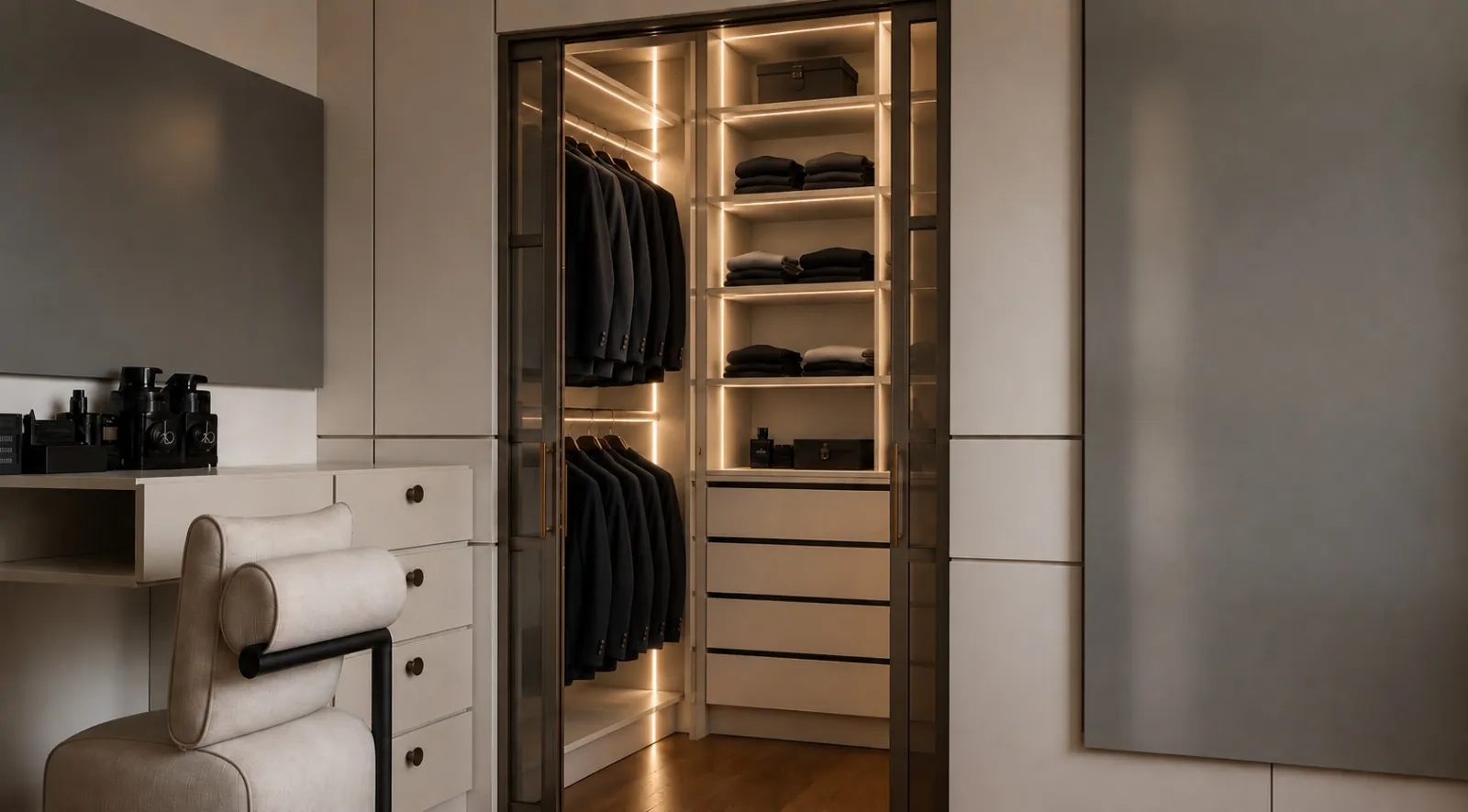
Feng Shui is one of those concepts we hear about often but don’t fully understand. Although it is often thought of as a decoration trend, it is actually a much deeper-rooted approach that considers living spaces holistically.
The meaning of Feng Shui
Feng Shui is a philosophy that originated in ancient China. It literally means “wind and water”, that is, bringing the energy of nature into our living spaces. Its aim is to create balance, harmony and the flow of positive energy in spaces.
Its relationship with architecture
In Feng Shui, decisions such as the choice and position of furniture, the placement of mirrors, the types of plants and the use of light all matter. In this sense, we can call it a philosophy of harmony that also encompasses architecture. In fact, many principles of good architectural design overlap with Feng Shui:
- An open and inviting entrance
- Comfortable, unobstructed circulation
- Making the best use of natural light and ventilation
- Reducing clutter and planning storage
- Bringing natural materials and plants into the space
Where to start with Feng Shui at home?
The easiest starting points are the entrance, bedroom and seating area. Keeping the entrance simple, making sure the bed isn’t directly opposite the door and arranging the seating group so it can see the door give positive results in terms of both Feng Shui and ergonomics. We gathered five practical basic rules in our article the 5 golden rules of Feng Shui.
Science or belief?
While some principles of Feng Shui are based on a belief system, many of them (light, order, circulation, connection with nature) are recommendations that also hold up in environmental psychology and architecture. In our projects we draw on these common points and always make decisions according to your lifestyle.
Frequently asked questions
Do you need to make changes at home for Feng Shui?
Usually not. A significant difference can be made with furniture layout, mirror position, plants and lighting. For furniture layout, see our article on the right furniture layout.
Which style is Feng Shui compatible with?
It can be applied with any style; but it works especially well with minimal, Scandinavian and boho styles that use natural materials and simple forms.
To design your living space around harmony, take a look at our interior design service.